
AI & Automation
How AI Automation Helps Small Businesses Respond Faster and Sell More
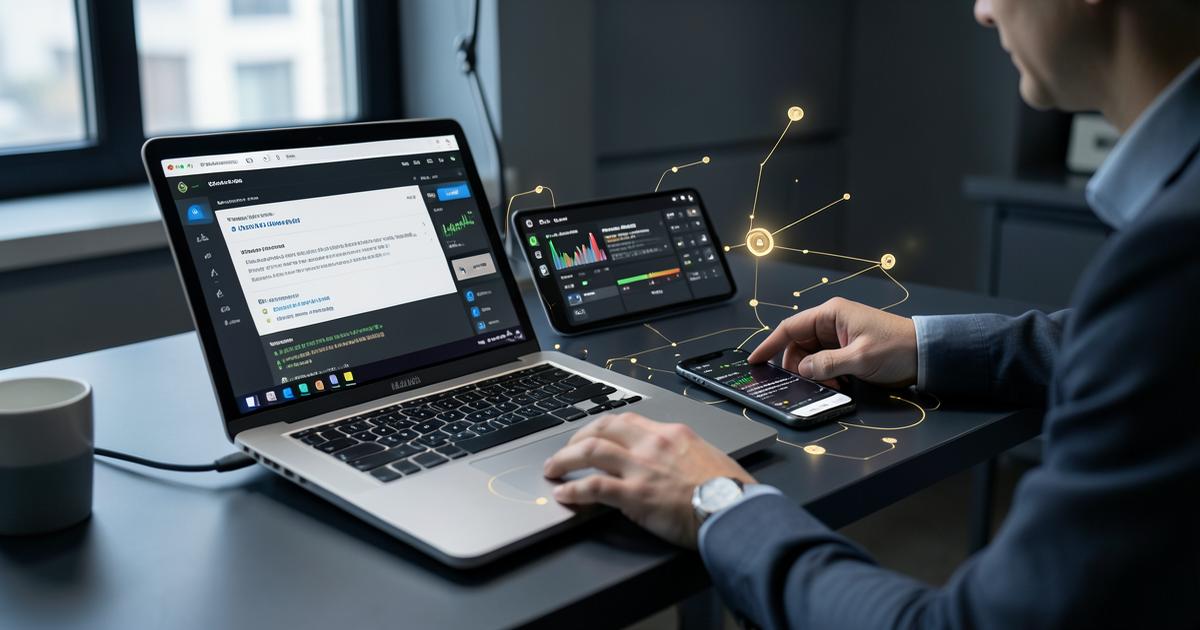
Speed wins customers
A timely response can help customers get the information they need. Small teams may struggle to answer messages consistently, especially outside working hours or across multiple channels.
AI automation can support first responses and follow-ups when it has accurate information, appropriate safeguards and a clear handoff to a person. Measure response quality and enquiry outcomes rather than assuming an increase in sales.
Practical automation use cases
Lead qualification agents ask the right first questions and route serious enquiries to your team. Customer support agents answer common questions instantly. Follow-up agents re-engage enquiries that went quiet. Reporting agents turn scattered data into a weekly summary you actually read.
Each of these removes repetitive work from your team so people can focus on conversations that need a human.
Start small, connect everything
The right approach is incremental: automate one high-volume, low-complexity workflow first, measure the result, then expand. Automation works best when it's connected to your CRM and communication tools rather than bolted on.
Vridyna designs and builds these AI and automation systems end to end — from lead qualification to WhatsApp engagement to reporting.
Want This Working for Your Business?
Tell us about your business and what you want to achieve — we'll show you how growth, technology and AI can get you there.
Talk to Us

